.gif)



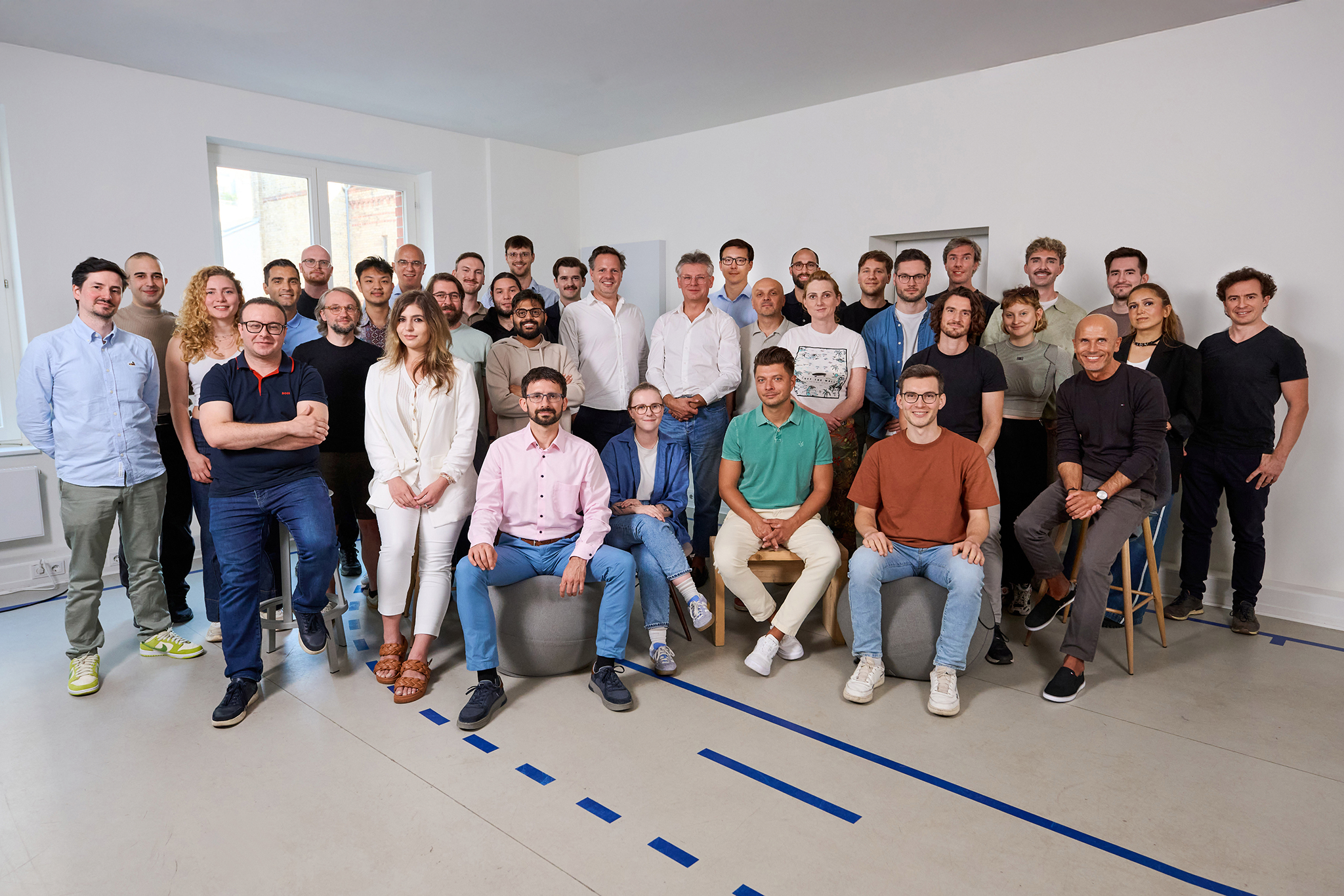
KUGU Home GmbH was founded in Berlin in 2018 and employs around 50 people. Its platform helps housing companies, energy providers and metering service providers cut energy use and CO2 in existing buildings, without major renovation. Its solution, KUGU EOS, controls heating systems automatically, KUGU VIS monitors them in real time, and the submetering suite handles heating and water cost billing. KUGU guarantees 12% energy savings, and customers usually save more than 20%. The company has connected over 500,000 residential units and more than 5,000 heating systems, and closed an €8.5m Series A in November 2024.
Grow now, raise (equity) later
KUGU sells into the real estate sector, including energy and metering service providers. Contracts often are large and the work starts well before the revenue arrives. Roshan Gembali, Head of Finance at KUGU, saw the potential in the company’s solid financial position. He also wanted to fund the growth plan, but without simply defaulting to equity. Instead, he went looking for a second source of capital.
“When I evaluated our financing options, my top priority was to extend our runway without diluting our whole cap table. We are doing business, we are in good shape, and raising financing shouldn’t cost us the company.” – Roshan Gembali, Head of Finance, KUGU
The natural move for a company that had raised equity before was another equity round. Even though raising another equity round is in the plans of the company, Roshan also saw potential downsides of raising now. He had a different strategy in mind: put capital to work first, let the numbers build on it, then raise equity from a stronger position.
“I would like to do the round at the right time, rather than doing it right now when I see potential growth right in front of us that we haven’t captured yet.”
He also wanted a capital base that did not lean on a single source. “At a certain point, it doesn’t make sense anymore to only focus on equity. Every round comes with some sacrifice or the other. We’ve built KUGU into a company, which is in a comfortable position to have different financing sources available. We should take advantage of it.”
Three needs the new financing source had to address
Roshan and the team looked at various financing sources, among them equity but also venture debt. The right source had to cover all three of KUGU’s needs:
- Inventory before revenue. Onboarding new customers requires some upfront costs today. KUGU wants to carry those itself and sell an all-in package, which means paying for hardware and installation ahead of the revenue.
- Large deals with long lead times. Guaranteed and recurring revenue for at least five years, but several weeks of project groundwork before the stable invoicing can kick in.
- Committed volume with installation partners. Fixed-term agreements need a budget the finance team can rely on.
A debt facility that funds the rollout
re:cap arranged a €1.5m credit facility for KUGU, structured in two tranches. The first €1m was disbursed in August 2026, with a further €500k planned for 2027.
That changes what Roshan can commit to. He can finance hardware ahead of a rollout, take on larger deals, and sign fixed-term agreements with installation partners by committing to a monthly volume. Better terms follow from that commitment.
“It gives me options to do all of these things, without the pressure of raising money at bad terms.”
Why re:cap
Price and speed mattered, but they were not the whole decision. Roshan had already looked at re:cap at a previous company, and peers in his network had used it too.
Four factors settled it:
- A partner, not a one-off deal. re:cap understands the business and can be there for the next need.
- Ease of use. Everything runs on one platform instead of a document exchange.
- Speed of disbursement. How quickly capital lands was a decision criterion in its own right.
- Reassurance from peers. People in KUGU’s circles had used re:cap and it worked.
“I didn’t view this as just this one financing. re:cap also knows our business well, so it can always be a good option for us to rely on in case of need.”
Clarity to crucial numbers
Connecting KUGU’s bank accounts to re:cap changed something beyond the funding. With an always-updated runway analysis on the basis of current financial numbers, the platform flags risks before they turn into problems.
“When I started with re:cap, I didn’t have that much visibility on the runway, as detailed as this is. The runway analysis is really nice. It’s connected to our bank accounts, so it populates instantly.”
The alerts do a second job. They correlate data points a finance team might read separately. “There are a lot of possible alerts. It’s a really nice early warning sign if someone has overlooked something.”
How KUGU uses re:cap
Before re:cap
- Growth funded by equity, with dilution as the price
- Inventory for rollouts paid out of operating cash
- Installation partners booked order by order
- Runway tracked manually, with less detail
With re:cap
- €1.5m credit facility, no effect on the cap table
- Hardware pre-financed ahead of customer rollouts
- Fixed-term agreements with committed monthly volume
- Runway that updates with every bank transaction, plus alerts
The next equity round now happens on KUGU’s timing, with stronger numbers behind it.
Asked what he would tell another finance lead weighing the same options, Roshan is direct:
“Never overlook re:cap as an option. It gives you a boost to the runway, and it also helps you get organised. There is some sort of guideline you can work towards.”