
Now live: Capital AI, your financial sparring partner
Your main goal with a long-term forecast is to plan the next months in a way that’s automated but still flexible.
To do that, you create a monthly forecast and combine:
By default, a new monthly forecast shows:
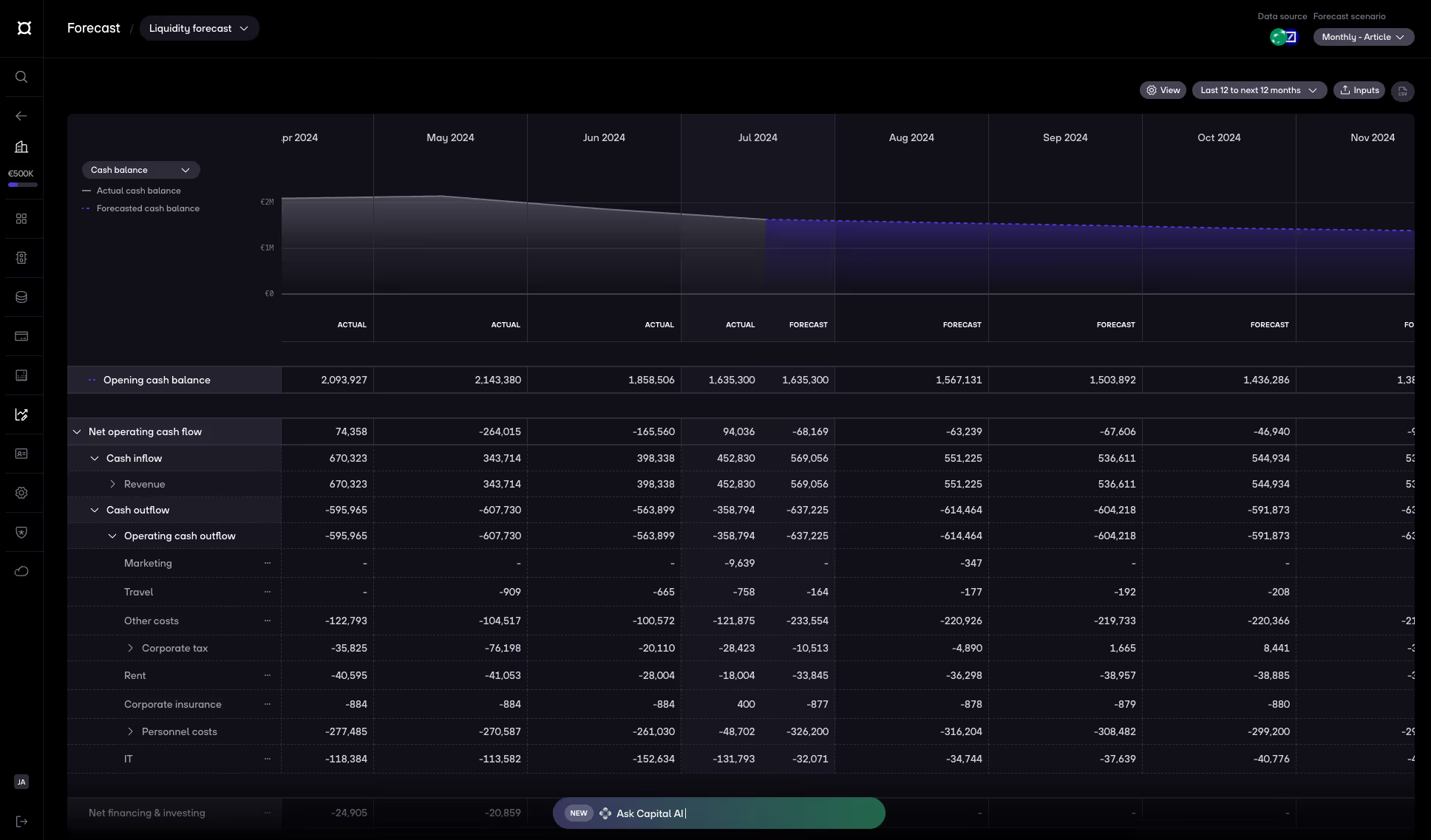
After creating the forecast, you’ll see the dynamic trend values directly in the table for the current and future months.
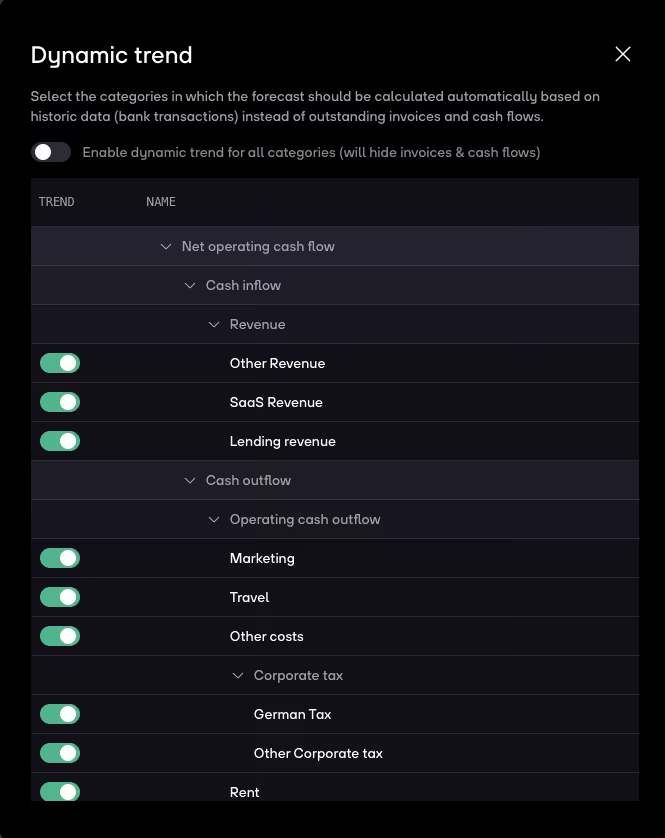
If you want to review or adjust how those values are calculated, you have three options:
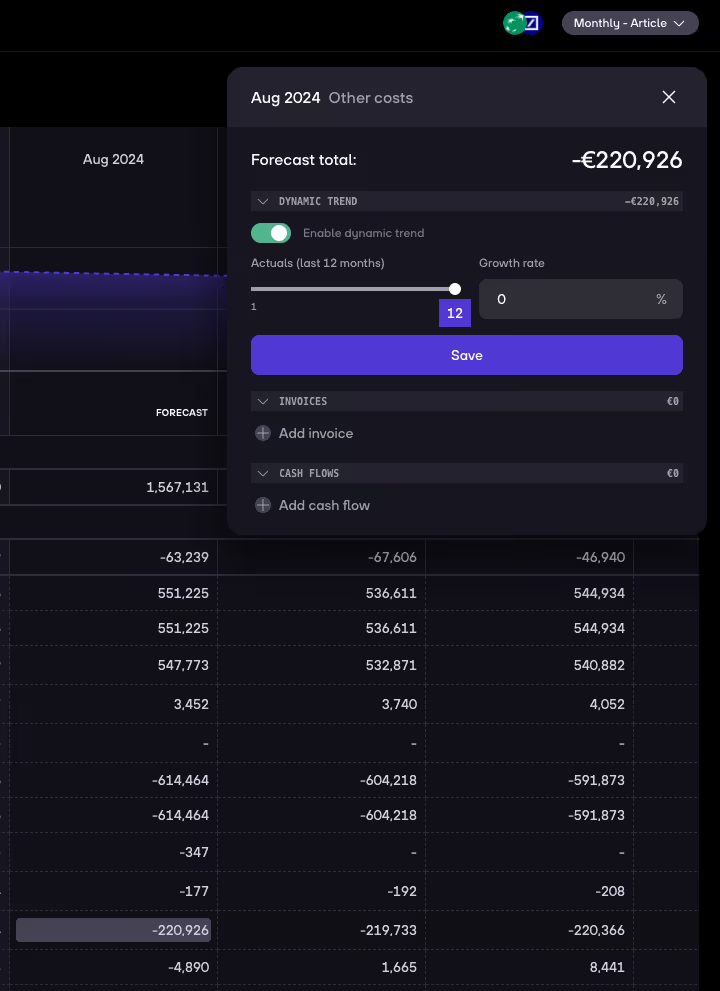
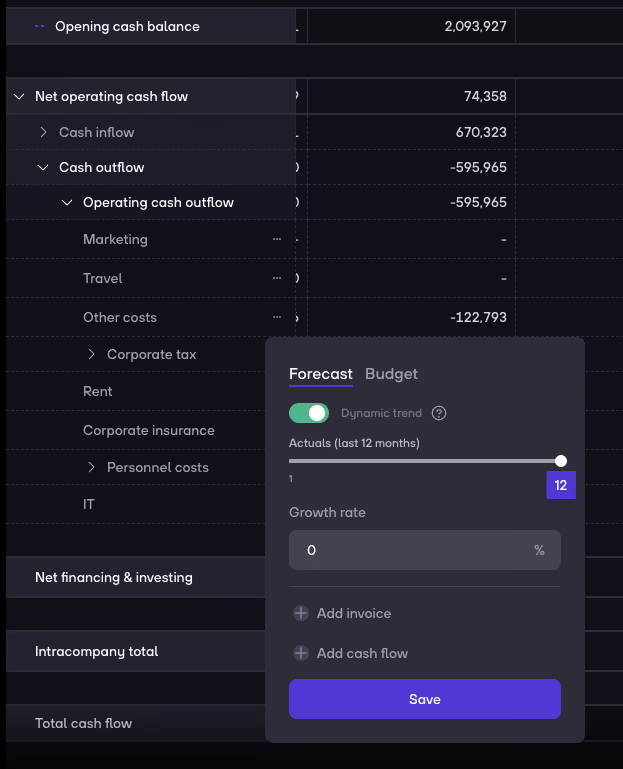
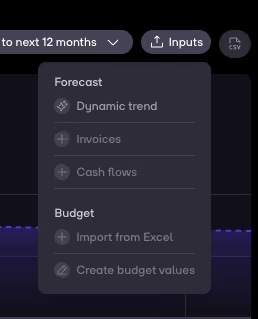
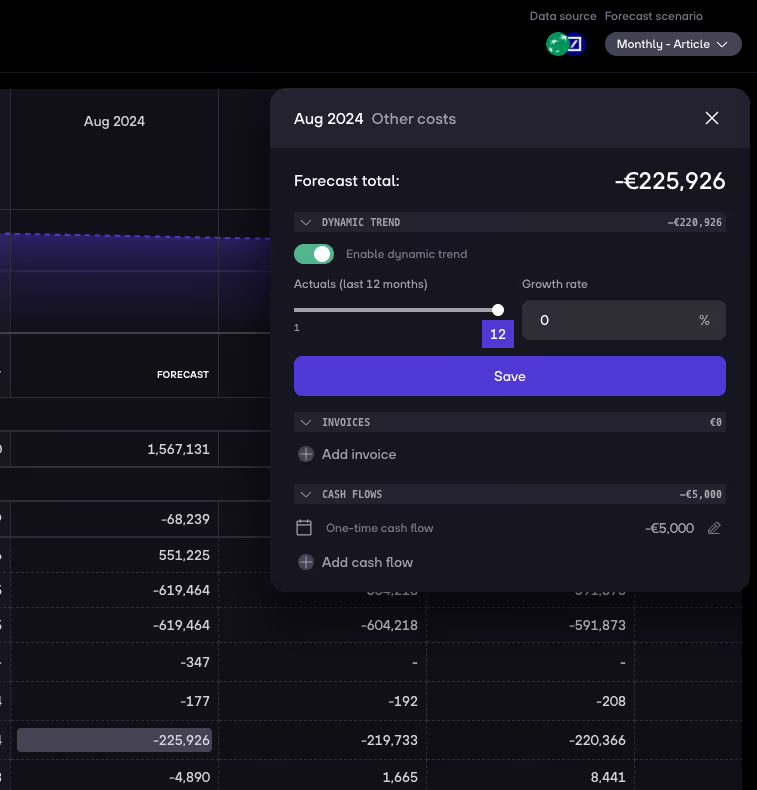
On top of the dynamic trend, you might want to add additional inflows or outflows above the average (e.g. future cash inflow from a grant). For that, you can use the cash flows feature.
This works the same as in the weekly forecast, explained in the weekly forecast creation.
The expected cash flow value will be added to the right cell, and thus to the Forecast total of that month.


.gif)


